
Sleep Solutions
It’s Time To Get The Sleep You’ve Always Deserved
Sleep Apnea Treatment
Say Goodbye To Snoring And Hello To Better Sleep
If yes, you might be suffering from obstructive sleep apnea. Obstructive sleep apnea (OSA) is a common sleep disorder where your breathing repeatedly stops and starts while you’re asleep. This condition is commonly caused by obesity, large neck circumference, a family history of snoring and sleep apnea, smoking, alcohol consumption, and sedative drug use. It can cause loud snoring and episodes of choking or gasping during sleep, leading to poor-quality sleep.
If you are experiencing any of the symptoms listed here, schedule an appointment and get the help you need for a healthy sleep routine. We are your gateway to oral health and wellness, helping you achieve healthy teeth and a healthy sleep routine for your overall well-being. We take sleep apnea treatment seriously because neglecting sleep apnea can have severe consequences for your health and daily life.
Symptoms of Obstructive Sleep Apnea (OSA)
Acid Reflux
Heavy/loud snoring
Dry throat
Obesity
Struggling with/periodic loss of breath while sleeping
Daytime drowsiness
Poor sleep quality
Difficulty with concentration and memory
Morning headaches
Frequent trips to the bathroom at night
Risks of Obstructive Sleep Apnea
Increased risk of heart disease and stroke: people that suffer from OSA have been known to have a higher risk of experiencing high blood pressure, coronary artery diseases, congestive heart failure, and heart attacks
Difficulty with concentration and memory: lack of adequate sleep due to OSA will result in one feeling tired and failing to concentrate throughout the day
Relationship difficulties: OSA can cause loud snoring, making it uncomfortable for your partner during the night, some couples end up sleeping in separate bedrooms if left untreated.
Loss of Libido: having OSA can cause the body to lack nitric oxide, causing narrowing of the arteries and a decrease in blood flow to all areas of the body
Diabetes: OSA makes it hard for the body to regulate the blood sugar
Mental health issues: OSA can lead to depression, anxiety, and irritability.
We offer two options for sleep apnea treatment, C-PAP, and Oral Appliance Therapy, depending on the severity of your condition. Our team will sit down with you, take tests and recommend a treatment that is suitable for your condition. Each treatment will be explained in detail so that you make a well-informed decision. Take the first step to a good night’s sleep by scheduling your appointment today.
Oral Appliance Therapy (OAT)
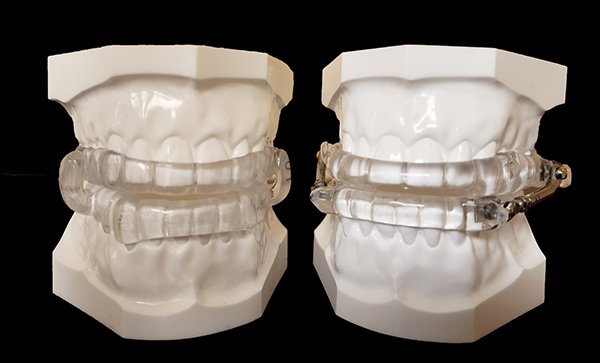
Oral Appliance Therapy (OAT) is a cutting-edge treatment for obstructive sleep apnea (OSA). This custom-fit mouthguard is designed to gently move your lower jaw forward, preventing the tongue and mandible from collapsing and blocking the airway. The device is comfortable, easy to use, and portable, making it an ideal option for travelers.
Continuous Positive Airway Pressure (C-PAP)
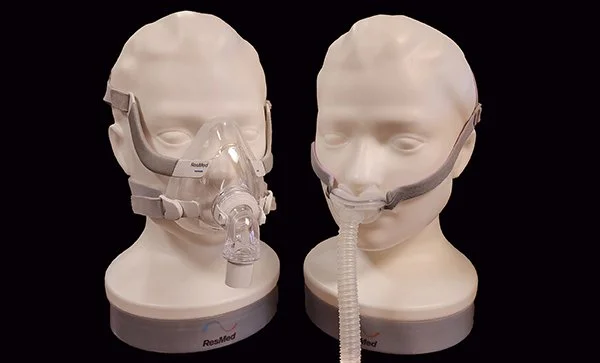
For patients with mild to severe sleep apnea, Continuous Positive Airway Pressure (C-PAP) may be the recommended treatment. Our team at Krider Sleep Wellness Center will recommend the best course of action. If C-PAP is the recommended treatment, your test results will be sent to a local medical supply company. Their respiratory therapists will custom-fit and set up your C-PAP machine, helping you get the sleep you deserve.
How Obstructive Sleep Apnea Can Affect the Body
Do you snore?
Snoring is an indication that tissue is decreasing the airway when sleeping. A decrease in oxygen can cause morning headaches. Most bed partners were reported sleeping in separate bedrooms due to their partner who snores.
Trouble Sleeping? Tired During the Day?
Untreated OSA can cause anxiety, depression, lack of motivation, shortened attention span, moodiness, and poor judgment. OSA causes impaired concentration, memory loss, reduced alertness/work efficiency, and slower reaction times.
Are You Diabetic?
Over 50% of people with Type 2 Diabetes have OSA. Obstructive Sleep Apnea makes it harder to control blood sugar.
Loss of Libido?
Lack of nitric oxide (caused by OSA) in the body narrows the arteries and decreases blood flow to all areas of the body. Nitric oxide is also released to activate the egg to complete meiosis II.
History of Stroke?
It is common to find OSA in patients that have had a stroke. The chance of stroke increases based on the severity of OSA. Males are 3 times more likely to have a stroke with a moderate or severe sleep apnea diagnosis.
Heart Problems?
Sleep apnea has been known to cause high blood pressure, coronary artery disease, cardiac arrhythmias (Afib), congestive heart failure, and heart attacks.
Gaining and Can’t Lose the Weight?
Recent studies show that 90% of obese men and 50% of obese women have Obstructive Sleep Apnea. Ghrelin (a hormone that stimulates hunger) and Lectin (a hormone that stores fat) are thought to be associated with OSA, causing an increase in appetite and calorie intake.
Acid Reflux (GERD)
When you struggle to breathe at night, it creates a pumping action that brings stomach acid into the esophagus.
Frequent Trips to the Bathroom at Night?
OSA can affect the secretion of urinary hormones that cause frequent urination at night.